Fantasy football, priced by the market
Rankings, ADP, a live draft assistant, a draft grader, weekly start or sit calls and the waiver wire. Every number comes from the draft and sportsbook markets, and every call is graded in public. Free, no account.
 Bijan Robinson1. RB ADP 1
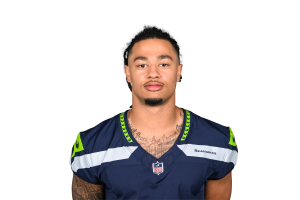 Jaxon Smith-Njigba2. WR ADP 2
 Saquon Barkley3. RB ADP 3
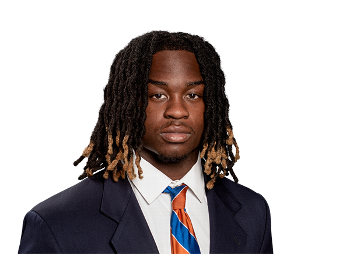 Ashton Jeanty4. RB ADP 4
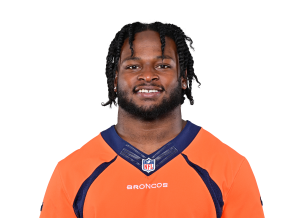 Javonte Williams5. RB ADP 5
 Trey McBride6. TE ADP 6
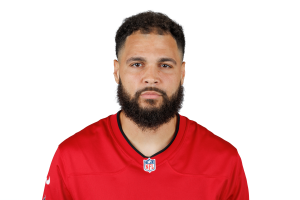 Mike Evans7. WR ADP 7
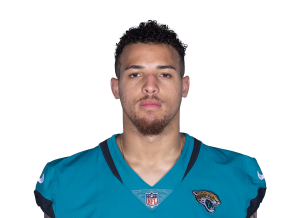 Parker Washington8. WR ADP 8
- 11
- Draftable players
- 143
- Drafts behind the ADP
- 182
- Players with a sportsbook price
- 830
- Offensive players tracked
What fantasy football is
Fantasy football is a game you play against friends over an NFL season. Before Week 1 your league holds a draft: each of you takes turns picking real NFL players until every roster is full, usually 15 or 16 players deep. From then on, your team scores points every week from what those players actually do on the field: a running back's yards and touchdowns, a receiver's catches, a quarterback's passing, a kicker's field goals, a defense's sacks and turnovers. Each week your team is matched against one other team in your league, the higher score wins, and by December the best records play off for the title. Nobody plays a down. You pick, you set a lineup, you watch.
The skill is in three decisions. In the draft, who to take and when, which is where average draft position matters: it tells you what the room expects to pay for a player, so you can see who is a bargain at your pick. During the week, who to start and who to sit, because only your starters score. And on the waiver wire, which unowned player to claim when an injury or a breakout game changes a team. Parlae answers all three with the same source: the draft market, where thousands of drafts set every player's price, and the sportsbook markets, where a book that prices a player wrong loses money on it. That is what priced by the market means. No opinion poll, no hunches, and every call we make is graded after the games, misses included.
The board right now
Full fantasy football rankingsThe first 24 players in PPR board order, each with his place in the ADP order beside him. Board captured Sep 18, 2026 at 7:06 AM ET. Tap a face for his page.
- 1Bijan RobinsonRBATLADP 1
- 2Jaxon Smith-NjigbaWRSEAADP 2
- 3Saquon BarkleyRBPHIADP 3
- 4Ashton JeantyRBLVADP 4
- 5Javonte WilliamsRBDALADP 5
- 6Trey McBrideTEARIADP 6
- 7Mike EvansWRSFADP 7
- 8Parker WashingtonWRJAXADP 8
- 9
 Tyler WarrenTEINDADP 9
 - 10
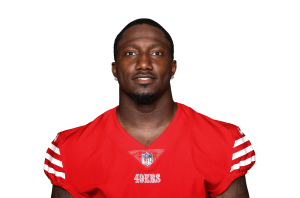 Deebo Samuel Sr.WRSFADP 10
 - 11
 Brandon AubreyKDALADP 11
 - 12
 Chase BrownRBCINADP 5
 - 13
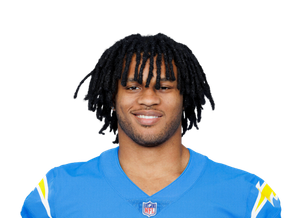 Omarion HamptonRBLACADP 7
 - 14
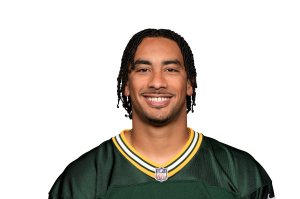 Jordan LoveQBGB
 - 15
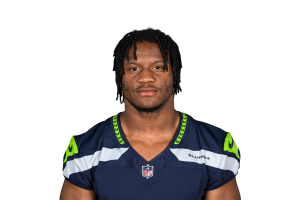 Kenneth WalkerRBKCADP 1
 - 16
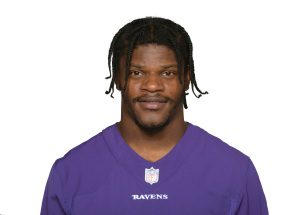 Lamar JacksonQBBAL
 - 17
 Malik WillisQBMIA
 - 18
 Joe BurrowQBCIN
 - 19
 Christian McCaffreyRBSF
 - 20
 Daniel JonesQBIND
 - 21
 Drake MayeQBNE
 - 22
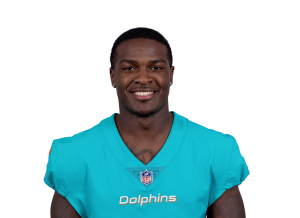 De'Von AchaneRBMIA
 - 23
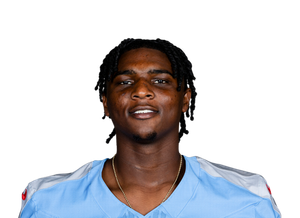 Cam WardQBTEN
 - 24
 C.J. StroudQBHOU
Every fantasy football tool
Seven tools, one board. Each one reads the same draft and sportsbook markets, so the grader, the assistant and the weekly call can never disagree about a player's price.
The fantasy football week
Week 2 runs on the same clock as every other. This is what arrives, and when.
- TuesdayThe Tuesday emailWhat moved on the board since last week, and with a synced league, your team's exact moves for the week ahead. Free, one tap to stop.
- WednesdayWaiver claimsThe adds and drops from the past seven days, ranked, with a bid priced for each claim before most leagues process.
- ThursdayStart or sit callsEvery startable pair called from the week's sportsbook markets, published before the Thursday game and locked at the earlier kickoff.
- SundaySunday activesWho is active, who is out and who benefits, refreshed through the morning inactives so a lineup can change before the early window.
How the calls are graded
- A call counts the moment it is published, not when it turns out well. Nothing is added to the record after the fact.
- A call locks when the earlier of the two games kicks off, and it is never edited afterwards.
- A call is right when the player we said to start outscored the other one in your scoring format. A tie counts as neither.
- The misses stay up beside the hits, and the hit rate reads nothing graded yet rather than zero until a real call has been scored.
- Calls published
- 594
- Graded
- 177
- Right
- 83
Fantasy football guides
All 36 guidesWritten by the Parlae desk on the same board the tools run on, grouped by the question you arrived with. Every guide is free and none needs an account.
Draft strategy
How to build a roster from pick one to the last round.
- The first three rounds: how tier gaps decide your draft5 min
- Zero RB, Hero RB, robust RB: how each plan looks on a market priced board6 min
- Drafting from the turn: a board based plan for picks 1 and 126 min
- Value versus need in a live draft: when to take the best player and when to fill the hole6 min
- Superflex and 2QB drafting: why quarterbacks move 40 picks5 min
- Late round quarterbacks: what the ADP gap from QB1 to QB12 tells you5 min
- Middle round wide receivers: where the board prices depth cheapest5 min
- Tight end scarcity: how far the board drops after the top tier5 min
- Handcuffs and insurance: pricing backup running backs with ADP5 min
- Bye weeks in the draft: when they matter and when to ignore them6 min
- Common draft mistakes the market data exposes6 min
- Draft day checklist: twelve things to do before your first pick5 min
ADP and the board
Where the pick numbers come from and how to read a move.
- How consensus ADP is built and why 8,007 drafts beat one expert6 min
- Reading a draft board like the betting market does: the tier gaps that matter6 min
- Reading ADP movement: what a 20 pick drop in a week actually means6 min
- The Parlae board versus expert consensus rankings: where they differ and why6 min
- Why Sleeper's own rankings are not enough: what a second, market-priced board adds5 min
- Dynasty versus redraft ADP: the players whose price changes most between formats5 min
- Judging a fantasy trade with ADP: a method that takes five minutes6 min
Scoring formats
PPR, half PPR, standard, superflex and what each one changes.
Waivers and FAAB
Ranking claims and pricing a bid once the season starts.
- Waiver wire before Week 1: how to rank claims before anyone has played6 min
- Waiver bids: how to price a FAAB bid from ADP movement and snap counts6 min
- A FAAB budget for the whole season: a spend plan by week6 min
- Week 2 waiver wire: sorting the most added players into roles and one week spikes6 min
- FAAB after Week 1: sizing waiver bids from real add rates6 min
Start or sit and game week
The lineup call, the numbers behind it, and the hour before kickoff.
- Start or sit without vibes: the four numbers we check every Thursday6 min
- How to read a start or sit call that carries a number5 min
- The hour before kickoff: injury news, inactives, and what to change5 min
- Reading Week 1 without overreacting: snaps, targets and air yards before points6 min
- When your quarterback gets hurt: backups, streaming and what happens to his receivers6 min
- Defense versus position after one week: why the early tables mislead6 min
- Thursday night lineup locks: handling TNF players and early locks in Week 25 min
Tools and grading
What the grader sees, what a sync reads, and how a call is scored.
Studies
Dated, sourced findings with a line you can cite.
Questions a newcomer asks
What is fantasy football?
Fantasy football is a game in which you and your friends each draft a roster of real NFL players, then score points every week from what those players do in their actual games: yards, touchdowns, catches and field goals. Your team plays one other team in your league each week, the higher score wins, and the best records reach a playoff in December.
How many players are on a fantasy football team?
Most leagues have 10 or 12 teams and each team drafts 15 or 16 players. A standard starting lineup is one quarterback, two running backs, two wide receivers, one tight end, one flex (a running back, receiver or tight end), one kicker and one team defense, with the rest on your bench. Your league's settings page shows the exact shape before the draft.
What is the difference between PPR and standard scoring?
PPR stands for point per reception: every catch is worth one point on top of the yards. Standard scoring awards nothing for the catch itself, so running backs who carry the ball and receivers who score deep are worth relatively more, while a receiver who catches eight short passes a game is worth relatively less. Half PPR splits the difference at half a point per catch. Parlae's board prints a separate ADP for each format because the same player is drafted in a different place in each one.
When should I draft a quarterback?
Later than most first time drafters do. Only one quarterback starts on a normal roster, and the scoring gap between the best and the twelfth best is smaller than the gap at running back or receiver, where you start two or three. The exception is a superflex or 2QB league, where quarterbacks go 40 picks earlier because a second one starts every week.
What is ADP?
ADP is average draft position: the average pick at which a player is taken across thousands of public drafts. It tells you what the room expects to pay for a player, which is what makes it useful in a live draft: a player still available well past his ADP is a bargain relative to everyone else's judgement, and a player you want before his ADP will cost you an earlier pick than the room would. Parlae's board holds 11 players with a live ADP, taken from 143 recorded drafts.
What is FAAB?
FAAB is a free agent acquisition budget: a fixed pot of imaginary dollars, usually 100 or 1,000, that each team spends in blind bids for free agents during the season. The highest bid wins the player and the money is gone for the year, so the skill is in pricing a bid to the value of the player and the share of the season left, rather than in getting to the claim first.
What is the waiver wire?
The waiver wire is the pool of players nobody in your league owns. After each week's games, dropped and undrafted players sit on waivers for a day or two, and every team can put in a claim; the claims are settled by budget bid or by priority order, then anyone unclaimed becomes a free agent you can add instantly. Injuries and breakout games are what make a waiver claim worth a bid.
Is Parlae free, and do I need an account?
Yes, and no. Every fantasy football tool on Parlae is free, runs in the browser and needs no account, no card and no deposit. Parlae is not a sportsbook and takes no bets: it reads the sportsbook and draft markets as data and prints what they say, then grades its own calls in public.
More fantasy football on Parlae
- Every fantasy tool, in one menu
- Printable cheat sheet by tier
- Mock draft off the consensus board
- ADP risers, fallers and tier breaks
- Sleepers the books price higher than the room
- Rookies in live board order
- Handcuffs and depth chart insurance
- Injury report and who benefits
- The news wire, scanned every 15 minutes
- The public start or sit record
- Fantasy sports, season long and daily
- Daily fantasy lineups
The Tuesday email
What moved on the board this week, every Tuesday 8am ET. Sync a league and it becomes your team's exact moves.
Free. No spam, no sharing your address, unsubscribe in one tap.
By the Parlae deskBoard updated Sep 18, 2026 at 7:06 AM ETHow this is builtReport a wrong number