Fantasy sports, priced by the market
Season long fantasy football and daily fantasy, both read from the draft market and player stat markets instead of an opinion poll, and every call graded in public. Free, no account.
 Bijan Robinson1. RB 25.3 pts
 Joe Burrow2. QB 22.6 pts
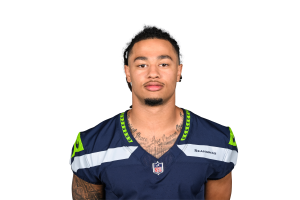 Jaxon Smith-Njigba3. WR 21.5 pts, Wk 8 price
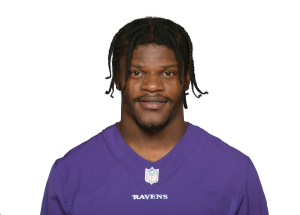 Lamar Jackson4. QB 19.2 pts, Wk 8 price
 Drake Maye5. QB 18.5 pts
 Trey McBride6. TE 18.9 pts, Wk 8 price
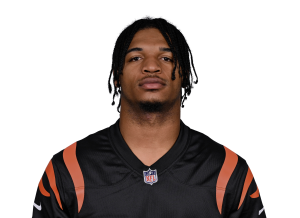 Ja'Marr Chase7. WR 18.5 pts
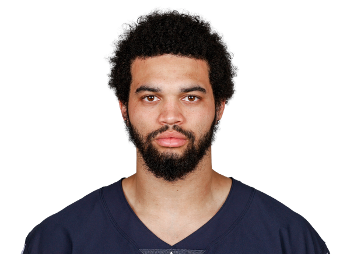 Caleb Williams8. QB 17.6 pts, Wk 8 price
- 221
- Football players with a live ADP
- 16,788
- Calls on the public record
What fantasy sports are
Season long leagues
In a season long league you and a group of friends each draft a roster of real athletes before the season, then score points every week from what those players do in their actual games. You set a lineup, you claim free agents off the waiver wire when injuries strike, you trade, and your record over the season decides who makes the playoffs. Fantasy football is by far the biggest version, played across an NFL season from the August draft to the December title game, and it is the whole of the fantasy football section on this site: rankings, ADP, a live draft assistant, a draft grader, weekly start or sit calls and a league sync that reads your roster every day.
Daily fantasy
Daily fantasy resets every day. Instead of a roster you manage for months, you build a fresh lineup for one slate of games. The field is strangers rather than friends and there is nothing to manage between games. Paid daily contests are regulated state by state, with an age minimum of 18 or 21 depending on where you live. Parlae runs no contest and holds no money. What it publishes is a market-implied fantasy projection for every player on the NFL slate, with the stat projections behind it.
Fantasy football
The whole fantasy football sectionEvery fantasy football tool on Parlae reads one board. Its order comes from the draft market, where every recorded draft sets each player's average draft position, and where player stat markets cover a player his market-implied points sit beside the pick. A reader can act on a disagreement between the two. The tools below all run on it, and the fantasy football page explains the game from the first pick to the waiver wire.
Top of the football board
Full fantasy football rankingsThe first 12 players in PPR board order, each with his market-based projected points for his next game, or, where no market is posted yet, the figure from the week named beside it. Board captured Nov 3, 2026 at 1:21 AM ET. Tap a face for his page.
- 1Bijan RobinsonRBATL25.3
- 2Joe BurrowQBCIN22.6
- 3Jaxon Smith-NjigbaWRSEA21.5Wk 8 price
- 4Lamar JacksonQBBAL19.2Wk 8 price
- 5Drake MayeQBNE18.5
- 6Trey McBrideTEARI18.9Wk 8 price
- 7Ja'Marr ChaseWRCIN18.5
- 8Caleb WilliamsQBCHI17.6Wk 8 price
- 9
 Trevor LawrenceQBJAX17.2
- 10
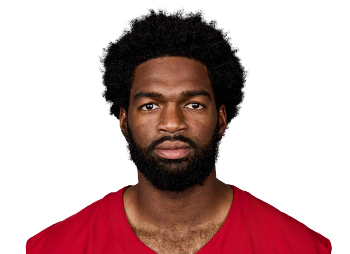 Jacoby BrissettQBARI17.1Wk 8 price
- 11
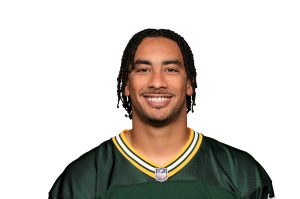 Jordan LoveQBGB17.0
- 12
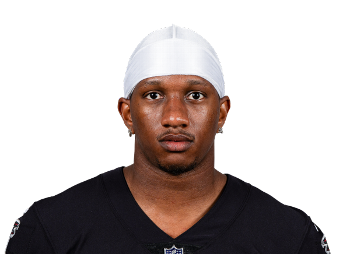 Michael Penix Jr.QBATL16.6
The fantasy football tools
Fantasy basketball
The whole NBA fantasy sectionFantasy basketball runs from late October to April, with games most nights, so it is decided by per-game production and by who is playing tonight. Leagues score it one of two ways: points, where every stat is worth a fixed number, or nine categories, where you try to win points, rebounds, assists, steals, blocks, threes, both shooting percentages and turnovers each week. The NBA fantasy rankings rank every player both ways from real box scores, with boards for point guards, centers and every position between, and an outlook page for each ranked player.
Fantasy hockey
The whole NHL fantasy sectionFantasy hockey runs from October to April, and most leagues set lineups by the week, so it turns on how many games a team plays, who is on the top power-play unit and which goalie starts. The NHL fantasy rankings rank every player for points and categories leagues from the NHL's own stats, the weekly start or sit answers close calls with each team's games, and the streamers page lists games per team and goalie starts.
Fantasy soccer
The whole fantasy soccer sectionFantasy soccer here means the Fantasy Premier League game: a 15-player squad on a 100m budget, a deadline before every gameweek, one free transfer a week and a captain whose points count double. The FPL captain picks rank every likely starter on a projection built from minutes, expected goals and fixtures, the fixture difficulty grid grades the next six gameweeks for all 20 teams, and the transfers page shows who managers are buying and selling. Parlae is independent of the Premier League and its game.
Fantasy baseball
The whole MLB fantasy sectionFantasy baseball is drafted in March and played every day until September, and between seasons it is a keeper and dynasty game. The fantasy baseball rankings project every player from MLB's own stats for roto and points leagues, the dynasty rankings and top prospects look further out, and the depth charts show who holds every job on all 30 clubs.
Fantasy golf
The whole fantasy golf sectionGolf has a tournament nearly every week of the year, and fantasy golf is decided one field at a time: who is playing, who suits the course and who is in form. Every PGA Tour and DP World Tour event gets a page that ranks its field on form against the field and course history, with a one-and-done section; the season-long fantasy golf rankings rank every golfer with a real record, and the golf schedule lists both tours' calendars with every winner.
How the calls are graded
- A call counts the moment it is published, not when it turns out well. Nothing is added to the record after the fact.
- A call locks when the earlier of the two games kicks off, and it is never edited afterwards.
- A call is right when the player we said to start outscored the other one in your scoring format. A tie counts as neither.
- The misses stay up beside the hits, and the hit rate reads nothing graded yet rather than zero until a real call has been scored.
- Calls published
- 16,788
- Graded
- 14,682
- Right
- 8,898
Guides from the desk
All 52 guidesThirty guides written on the same board the tools run on, grouped by the question you arrived with. Free, no account.
Draft strategy
How to build a roster from pick one to the last round.
- The first three rounds: how tier gaps decide your draft5 min
- Zero RB, Hero RB, robust RB: how each plan looks on a market-projected board6 min
- Drafting from the turn: a board based plan for picks 1 and 126 min
- Value versus need in a live draft: when to take the best player and when to fill the hole6 min
- Superflex and 2QB drafting: why quarterbacks move 40 picks5 min
- Late round quarterbacks: what the ADP gap from QB1 to QB12 tells you5 min
- Middle round wide receivers: where the board prices depth cheapest5 min
- Tight end scarcity: how far the board drops after the top tier5 min
- Handcuffs and insurance: pricing backup running backs with ADP5 min
- Bye weeks in the draft: when they matter and when to ignore them6 min
- Common draft mistakes the market data exposes6 min
- Draft day checklist: twelve things to do before your first pick5 min
ADP and the board
Where the pick numbers come from and how to read a move.
- How fantasy ADP is built and why 8,007 drafts beat one expert6 min
- Reading a draft board like a market: the tier gaps that matter6 min
- Reading ADP movement: what a 20 pick drop in a week actually means6 min
- The Parlae board versus expert consensus rankings: where they differ and why6 min
- Why Sleeper's own rankings are not enough: what a second, market-priced board adds5 min
- Dynasty versus redraft ADP: the players whose price changes most between formats5 min
- Judging a fantasy trade with ADP: a method that takes five minutes6 min
Scoring formats
PPR, half PPR, standard, superflex and what each one changes.
Waivers and FAAB
Ranking claims and pricing a bid once the season starts.
- Waiver wire before Week 1: how to rank claims before anyone has played6 min
- Waiver bids: how to price a FAAB bid from ADP movement and snap counts6 min
- A FAAB budget for the whole season: a spend plan by week6 min
- Week 2 waiver wire: sorting the most added players into roles and one week spikes6 min
- FAAB after Week 1: sizing waiver bids from real add rates6 min
- Week 3 waiver wire: which Week 2 breakouts came with volume and which came with touchdowns6 min
- Week 4 waiver wire pickups ranked by workload: Ollie Gordon leads after the Achane injury6 min
- Week 5 waiver wire targets ranked by Week 4 usage: Emanuel Wilson leads, and the adds to skip6 min
- Week 6 waiver wire targets ranked by Week 5 usage: Dameon Pierce and Woody Marks lead, and the adds to skip6 min
- Week 7 Waiver Wire: Bernard, Allen and Mayer Lead6 min
- Week 8 Waiver Wire: Allen, Pollard and Concepcion Lead6 min
Start or sit and game week
The lineup call, the numbers behind it, and the hour before kickoff.
- Start or sit without vibes: the four numbers we check every Thursday6 min
- How to read a start or sit call that carries a number5 min
- The hour before kickoff: injury news, inactives, and what to change5 min
- Reading Week 1 without overreacting: snaps, targets and air yards before points6 min
- When your quarterback gets hurt: backups, streaming and what happens to his receivers6 min
- Defense versus position after one week: why the early tables mislead6 min
- Thursday night lineup locks: handling TNF players and early locks in Week 25 min
- Your star is questionable and plays Monday night: how to decide before Sunday's locks5 min
- Start or sit accuracy, explained: what the number means and how to check anyone's6 min
- Start em sit em Week 4 calls by position: what the market projects and what the injuries change7 min
- Week 4 WR rankings: tiers, targets and injuries10 min
- Week 4 fantasy football takeaways: the usage and role changes that matter for Week 56 min
- Week 4 injury report: Barkley, Chase, Lamar Jackson and the replacements to know for Week 56 min
- Week 4 by the numbers: the top PPR scorers and the biggest target and carry shares5 min
- Week 5 start em sit em: the calls Week 4 workloads back up, and the injuries still open6 min
- Week 5 injury report fallout: who's out, who's in, and who to start instead6 min
- Week 6 Start or Sit: The Most-Asked Calls, Answered5 min
Tools and grading
What the grader sees, what a sync reads, and how a call is scored.
Questions a newcomer asks
What are fantasy sports?
Fantasy sports are games in which you pick real athletes and score points from what they do in their actual games. In the season long version you draft a team once and manage it for months against friends in a league. In the daily version you choose a lineup for a single day or a single week, and you can play again the next day with different players.
Are fantasy sports legal?
Season long fantasy leagues among friends are legal across the United States and have been played since the 1960s. Paid daily fantasy contests are regulated state by state: some states license them, some restrict them, and the apps that run them set their own age minimum, usually 18 or 21 depending on the state. Check the rules where you live before putting money into any contest. Parlae is not a contest operator, holds no money and takes no entries, so nothing on this site requires an age check to read.
What is the difference between season long and daily fantasy?
Time and commitment. Season long fantasy is one draft in August, then a weekly lineup, waiver claims and trades through December, with the same league mates all year. Daily fantasy resets every slate: you pick a fresh lineup each day, there is no roster to manage between games, and the field is strangers rather than friends. Most people who play daily also play a season long league.
How does Parlae grade its calls?
A call counts the moment it is published and locks when the earlier of the two games kicks off, so nothing is edited after the fact. It is graded once both box scores are final, a tie counts as neither, and the misses stay on the public record beside the hits. The hit rate reads nothing graded yet rather than zero until a real call has been scored, because a percentage of nothing is not a number.
Do I need to spend money to use Parlae?
No. Every tool on this site is free, needs no account and takes no deposit, because Parlae is not a contest operator and holds no money. It reads the draft market and the player markets as data and prints what they say. The football board currently holds 221 players.
Which sports does Parlae cover?
Season long fantasy football is the whole product: rankings, ADP, a live draft assistant, a draft grader, weekly start or sit calls, the waiver wire and a league sync. The daily fantasy board carries market-implied projections for the NFL slate.
By the Parlae deskBoard updated Nov 3, 2026 at 1:21 AM ETHow this is builtReport a wrong number